Sony's New 400mm and 600mm G Master Primes Are Built to Be Carried All Day
Posted by Photogear on 17th Sep 2026
Sony's new 400mm and 600mm primes weigh about as much as a 70-200mm f/2.8
The FE 400mm f/4.5 GM OSS and FE 600mm f/6.3 GM OSS bring genuine super-telephoto reach to Sony E-mount without the size, weight or price of a flagship prime.
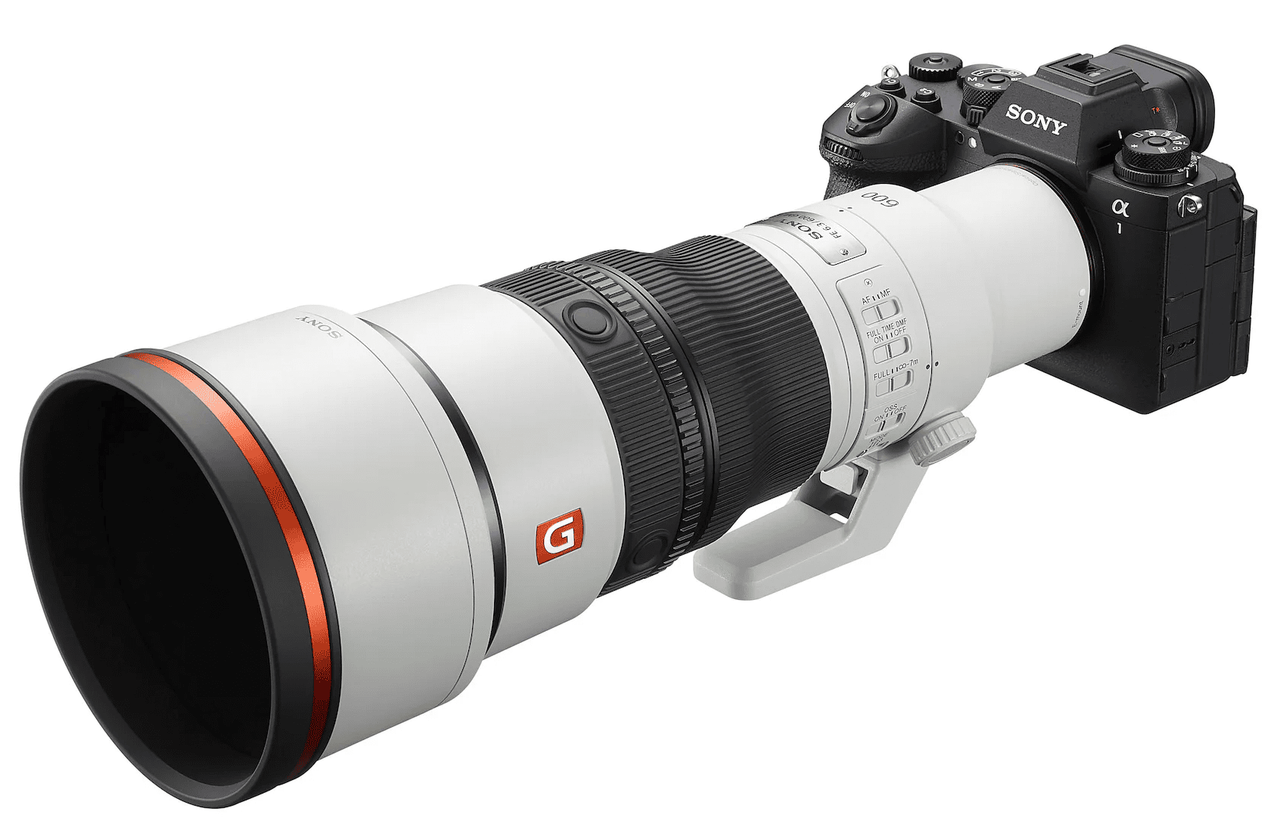
Sony has just added two new super-telephoto primes to its G Master lineup, and the real headline isn't the focal length, it's the scale. The FE 400mm f/4.5 GM OSS weighs 994 grams. The FE 600mm f/6.3 GM OSS weighs 995 grams — a gram apart despite 200mm of extra reach, and both sit closer in hand to a 70-200mm f/2.8 than anything most photographers would call a super-telephoto. For wildlife and sports shooters who've been priced or weighed out of Sony's flagship 400mm f/2.8 GM and 600mm f/4 GM primes, these are the lenses that actually get carried.
Two lenses, one philosophy
Balance that doesn't fight you
Both lenses use a single front lens element, a design choice that shifts the centre of gravity back toward the camera body instead of out toward the end of a long barrel. In practice that means less strain on your arms and neck through a long day in a hide or on the sideline, and both ship with a removable, rotating tripod foot so you can drop the extra weight entirely when you're shooting handheld.
Autofocus and stabilisation for moving subjects
Autofocus on both runs on two XD (extreme dynamic) linear motors, one per focus group, with continuous AF and exposure tracking rated up to 120 fps when paired with a body like the Alpha 9 III. A focus range limiter and four focus hold buttons around the barrel give you more say over how aggressively the system hunts, and full-time manual focus override means you can nudge focus by hand at any point without switching modes first.
Built-in Optical SteadyShot covers three selectable modes: a standard setting for everyday handheld shooting, a panning mode that ignores side-to-side motion so you can track a subject moving across the frame without the system fighting you, and a third mode built specifically for erratic movement — a bird changing direction mid-flight, a player cutting back against the play.

G Master glass, weatherproofed for the field
Both carry Sony's G Master badge, which means Super ED and ED glass to control chromatic aberration, Nano AR Coating II to keep flare and ghosting down in backlit conditions, and an 11-blade rounded aperture for smooth, circular bokeh. Dropping to f/4.5 and f/6.3 hasn't meant dropping out of Sony's top optical tier.
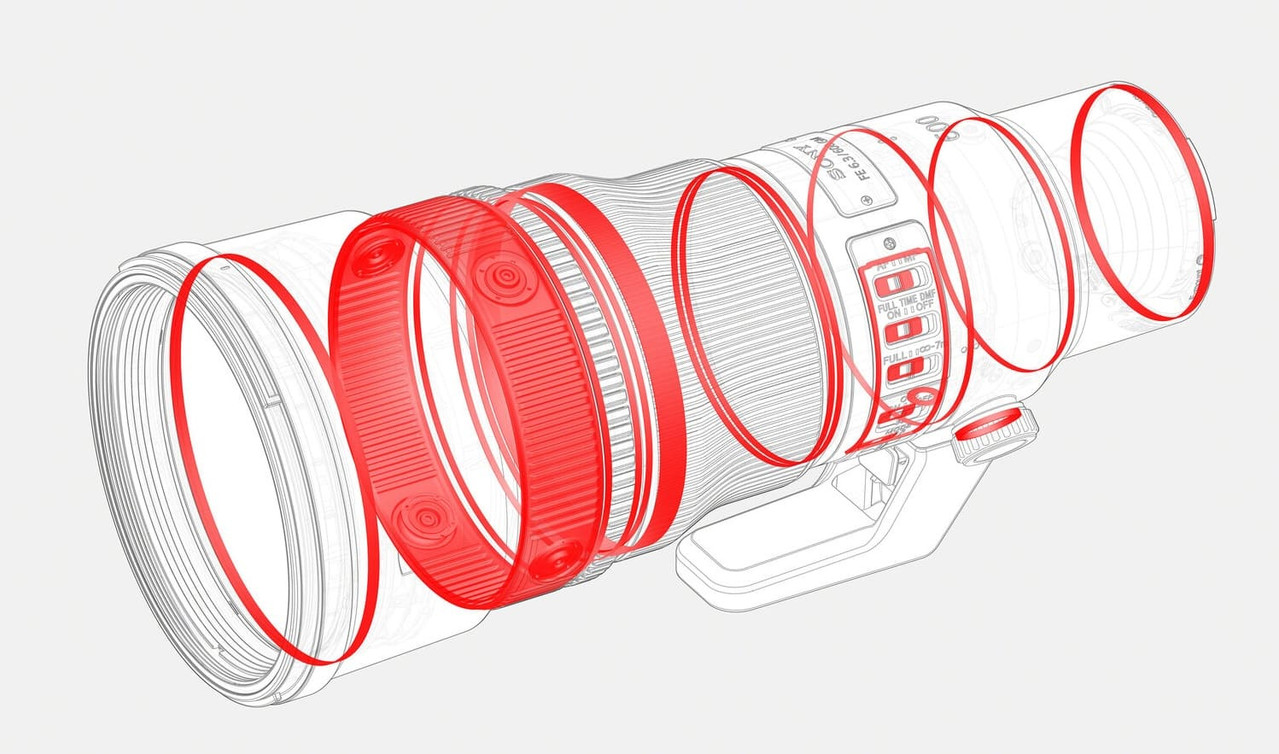
Field use gets the same treatment as the rest of the GM line: dust and moisture-resistant construction with rubber gaskets at every seam and a sealed lens mount, plus a fluorine-coated front element that sheds water, oil and dust instead of holding onto it. Both take standard 95mm filters.
So what's the difference between the two?
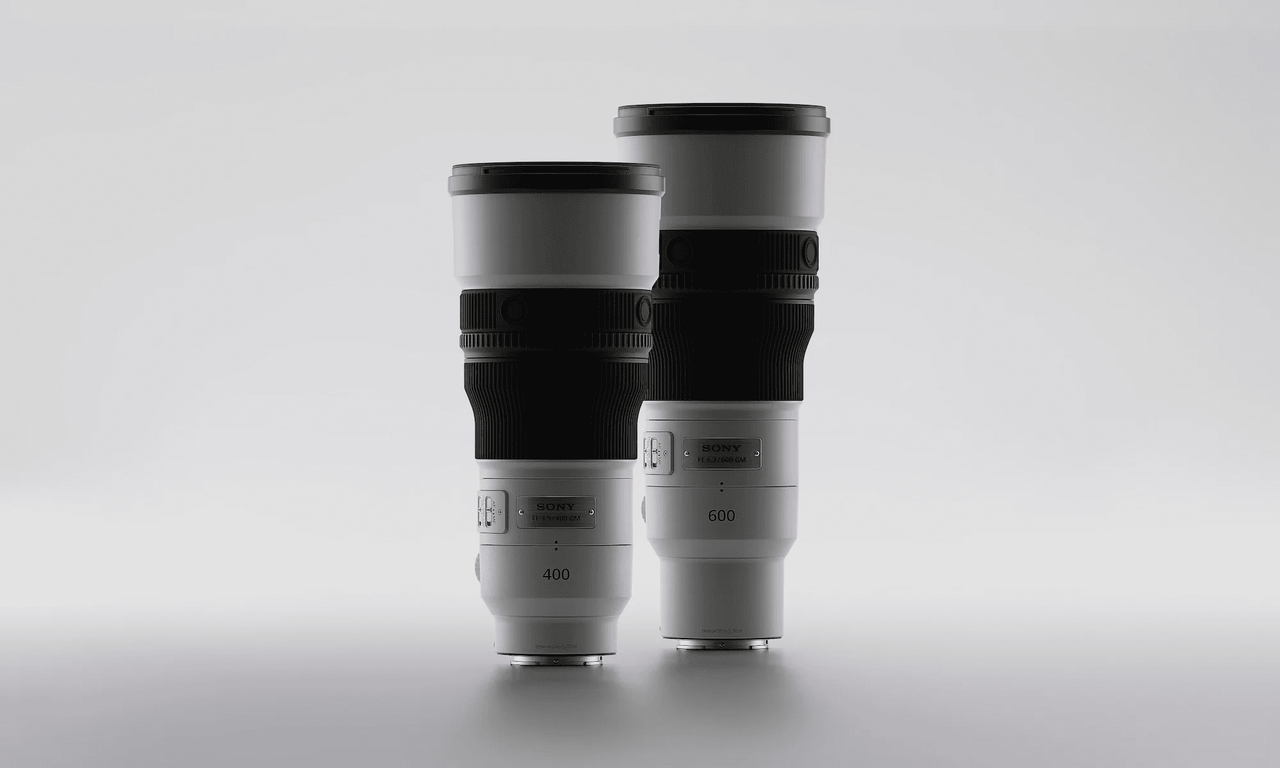
The 400mm f/4.5 is 24.2cm long and starts at $4,899.95. The 600mm f/6.3 is 26.3cm long and starts at $6,799.95. Beyond that, the gap between them is smaller than the numbers on the box suggest: 22 elements in 16 groups for the 400mm against 24 elements in 17 groups for the 600mm, and effectively identical weight despite the 600mm carrying 200mm more reach at a narrower maximum aperture. Sony got there by trading maximum aperture for size — the 400mm f/4.5 is 1.9kg lighter and 11.7cm shorter than the existing FE 400mm f/2.8 GM OSS, and the 600mm f/6.3 is 2.0kg lighter and 20.8cm shorter than the FE 600mm f/4 GM OSS. That's the honest trade-off: you're giving up a stop or more of light-gathering and background separation against Sony's flagship primes, in exchange for a lens you can actually hand-hold through a full day of shooting, at roughly half the price.
One lens, two extra focal lengths
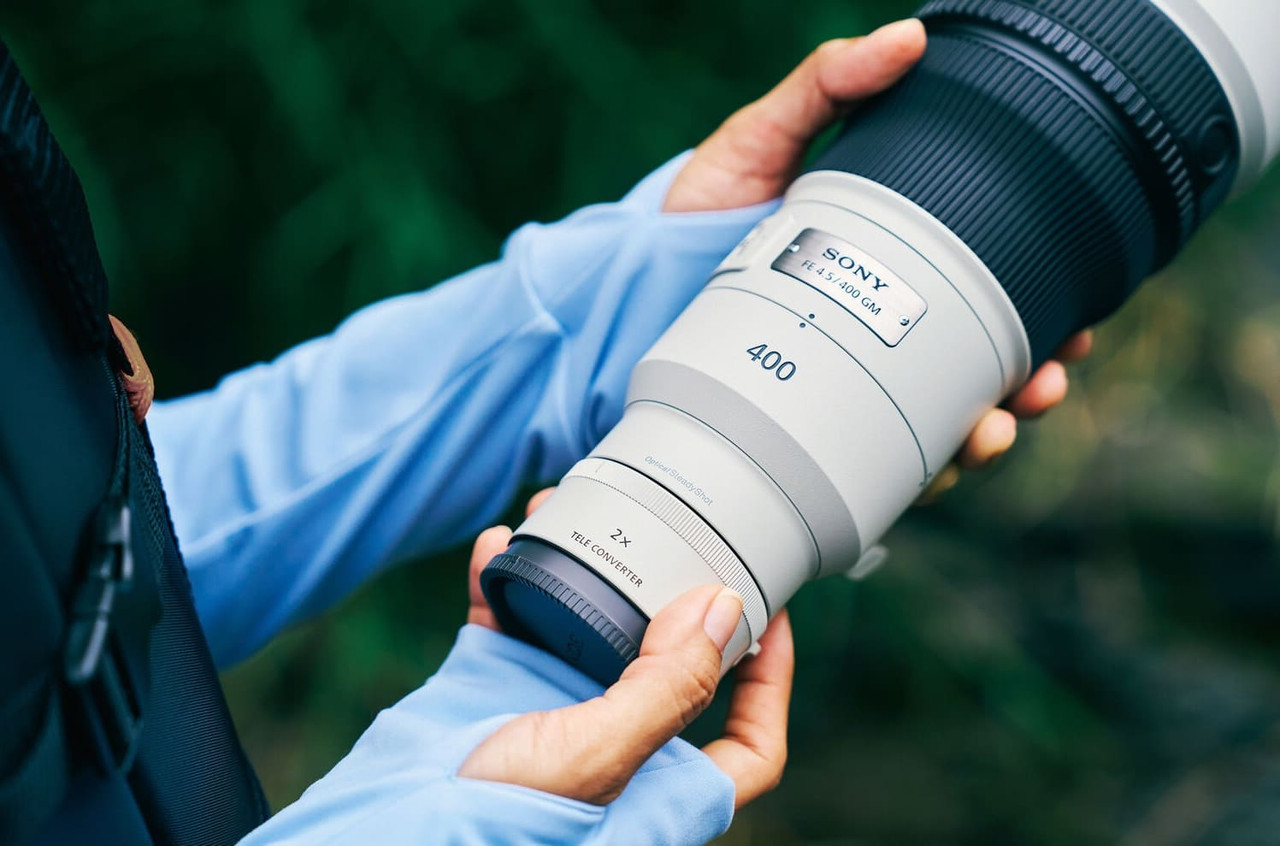
Both lenses are fully compatible with Sony's FE 1.4x and FE 2.0x teleconverters, with full autofocus and auto-exposure retained rather than the reduced, contrast-only AF some teleconverter pairings force you to live with. That turns either lens into effectively three lenses in one kit bag:
- 400mm f/4.5 + 1.4x teleconverter: 560mm at f/6.3
- 400mm f/4.5 + 2.0x teleconverter: 800mm at f/8
- 600mm f/6.3 + 1.4x teleconverter: 840mm at f/8
- 600mm f/6.3 + 2.0x teleconverter: 1,200mm at f/11
The trade-off is light: stacking the 2.0x teleconverter on either lens pushes the maximum aperture down to f/8 or f/11, which will slow autofocus and narrow your shutter speed options in anything but good light. Still, for a wildlife or aviation shooter who only occasionally needs 800mm or 1,200mm of reach, buying a teleconverter is a lot cheaper than buying a second lens.
Built for long handheld days
This is really the whole pitch. A 994-gram 400mm and a 995-gram 600mm both feel closer in hand to a 70-200mm f/2.8 than to a traditional super-telephoto, and that changes what's actually possible with them: shooting handheld from a kayak, carrying one all day at an air show, or packing both in a single bag alongside a body and a couple of shorter lenses instead of a dedicated telephoto case. The removable tripod foot means you're not carrying dead weight on the days you know you won't need it, and the customisable function ring puts a commonly-used control right under your fingers without reaching for a dial.

Both lenses land in the same place: less weight and less cost than Sony's flagship primes, in exchange for a stop or so of aperture. For most wildlife and sports shooters who'd otherwise be choosing between a lens they can afford and a lens they can actually carry, that's not a bad trade at all. A few unedited frames straight off each lens: