


ZWO's new Seestar S50 Pro trades portability for serious aperture
Posted by Photogear on 2nd Sep 2026
More aperture. More runtime. More telescope.
A 50mm aperture, a 10,000mAh battery, and four imaging modes, all in one self-guiding smart telescope.
ZWO has just announced the Seestar S50 Pro, the newest and largest telescope in its Seestar smart telescope line and a step up from the Seestar S30 Pro. It keeps the same all-in-one format that made the smaller Seestar models a hit with beginner astrophotographers, point it at the sky and let it find, track, and photograph the target, and pairs it with a bigger lens, a longer-lasting battery, and more onboard storage. Here's what's new, how it stacks up against the S30 Pro, and what's worth adding to your kit.
The S50 Pro is the one to get if you want serious aperture, a full night of runtime, and a proper tripod in the box.
It costs more than the Seestar S30 Pro, but delivers meaningfully more where it counts, see exactly how much more below.
First look at the S50 Pro
ZWO's own reveal, worth two minutes if you want to see the S50 Pro's imaging modes and app control before you read on.
How the S50 Pro compares to the S30 Pro
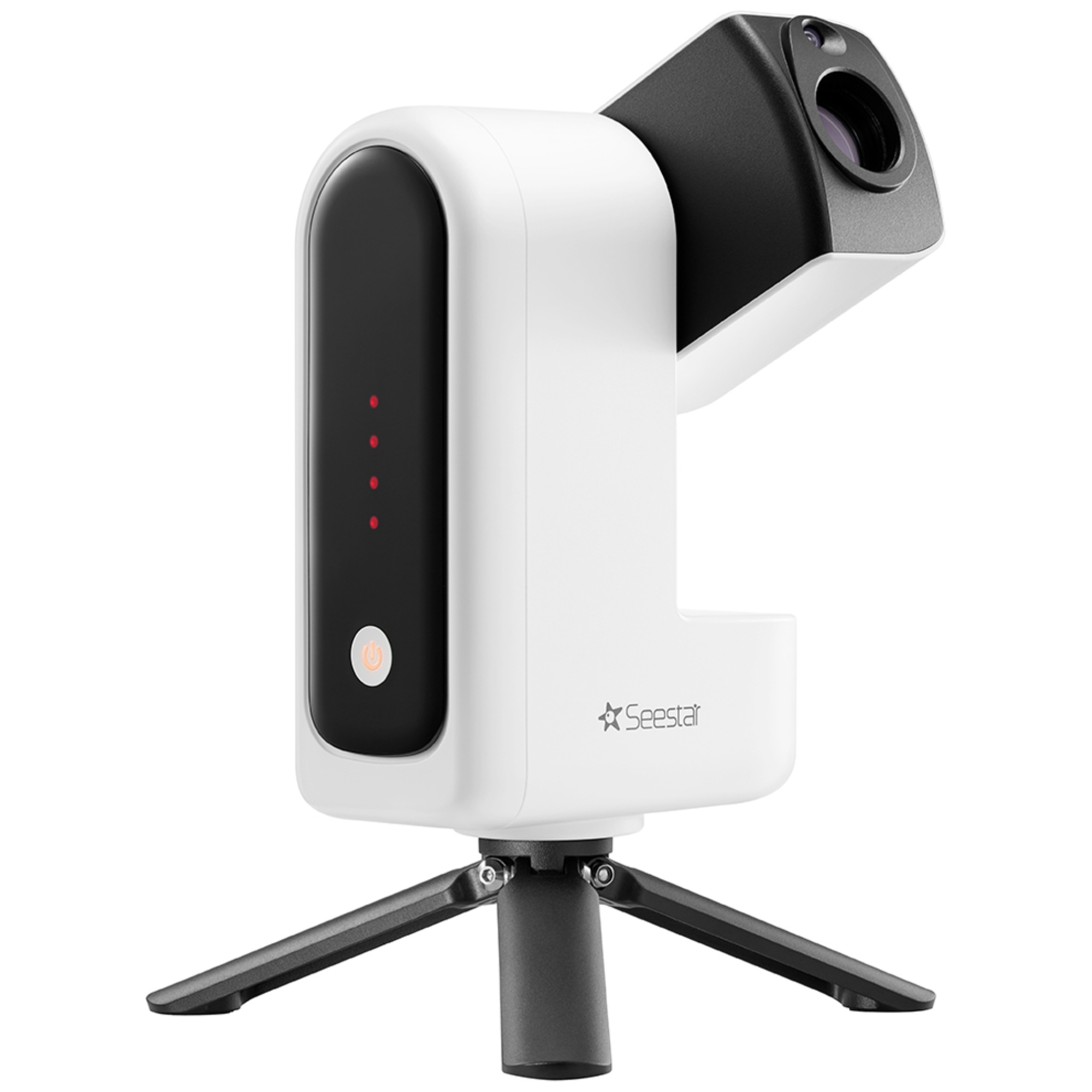

Standout features
Most of what's new on the S50 Pro comes down to more light, more time, and less fiddling. Here's what stands out.
50mm apochromatic lens
The headline upgrade is the lens itself, a four-element apochromatic design with extra-low dispersion glass and a 50mm aperture, paired with a triple filter system tuned for astrophotography. Together they gather nearly three times the light of the 30mm lens on the Seestar S30 Pro, so faint deep-sky targets come through brighter, sharper, and with noticeably more contrast.

Dual wide-field and telephoto cameras
Two cameras handle two different jobs. A 63° wide-field camera is for locating targets and framing a shot, while a 2.8° telephoto camera moves in for close-up detail, both at 8.3 megapixels. Switching between them takes one tap in the Seestar app, no need to physically swap lenses or reposition the telescope.
Four imaging modes
Deep Sky, Solar System, Scenery, and Milky Way / Star Trails modes each handle tracking, exposure, and stacking automatically, so picking the right mode for the target is really the only decision left to make. Star Trails mode is worth a mention on its own, point the S50 Pro at the sky, let it run, and it stacks dozens of long exposures into a single circular or linear trail image without any manual planning.

Sample output from Star Trails mode.
10,000mAh battery and 128GB built-in storage
A single USB-C charge is good for up to 9 hours of runtime, and 128GB of onboard storage means a long session doesn't mean packing a power bank or swapping memory cards partway through the night.

Built-in image processing
Automatic background balancing, star removal and reduction, noise reduction, cropping, and mosaic composition all happen inside the Seestar app. Results are ready to share straight off a phone, no separate editing software required.
A proper full-size tripod, not a tabletop one
Unlike the Seestar S30 Pro's fixed tabletop tripod, the S50 Pro ships with a full-size tripod, so it stands directly on grass, dirt, or pavement at a comfortable working height. No flat surface or table required to get set up.

Who the S50 Pro is for
- Beginners who want a telescope that finds, tracks, and photographs targets on its own, no polar alignment, no manual focusing.
- Anyone who's outgrown a smaller smart telescope and wants more aperture and more battery life without moving to a full manual rig.
- Backyard and family stargazers who want to hand the phone around and let everyone take a turn.
- Anyone chasing dark skies away from home who doesn't want to be hunting for a power outlet or a spare memory card mid-session.
- Astrophotographers who want to shoot the Sun, Moon, planets, and deep-sky targets from the same device, without swapping gear between sessions.
None of that makes the Seestar S30 Pro a lesser choice, it's still a genuinely capable smart telescope, and considerably lighter and cheaper if portability or budget matters more to you than raw aperture. The S50 Pro is really for people who'd actually use the bigger lens, the extra runtime, or the full-size tripod, not an automatic upgrade for everyone.
Accessories worth adding
The S50 Pro ships with a solar filter, a USB-C cable, a protective case, and a tripod, so it's ready to shoot straight out of the box. A few of ZWO's other Seestar accessories are worth knowing about if you want to push longer exposures further or scan the sky by eye before you set the telescope up.
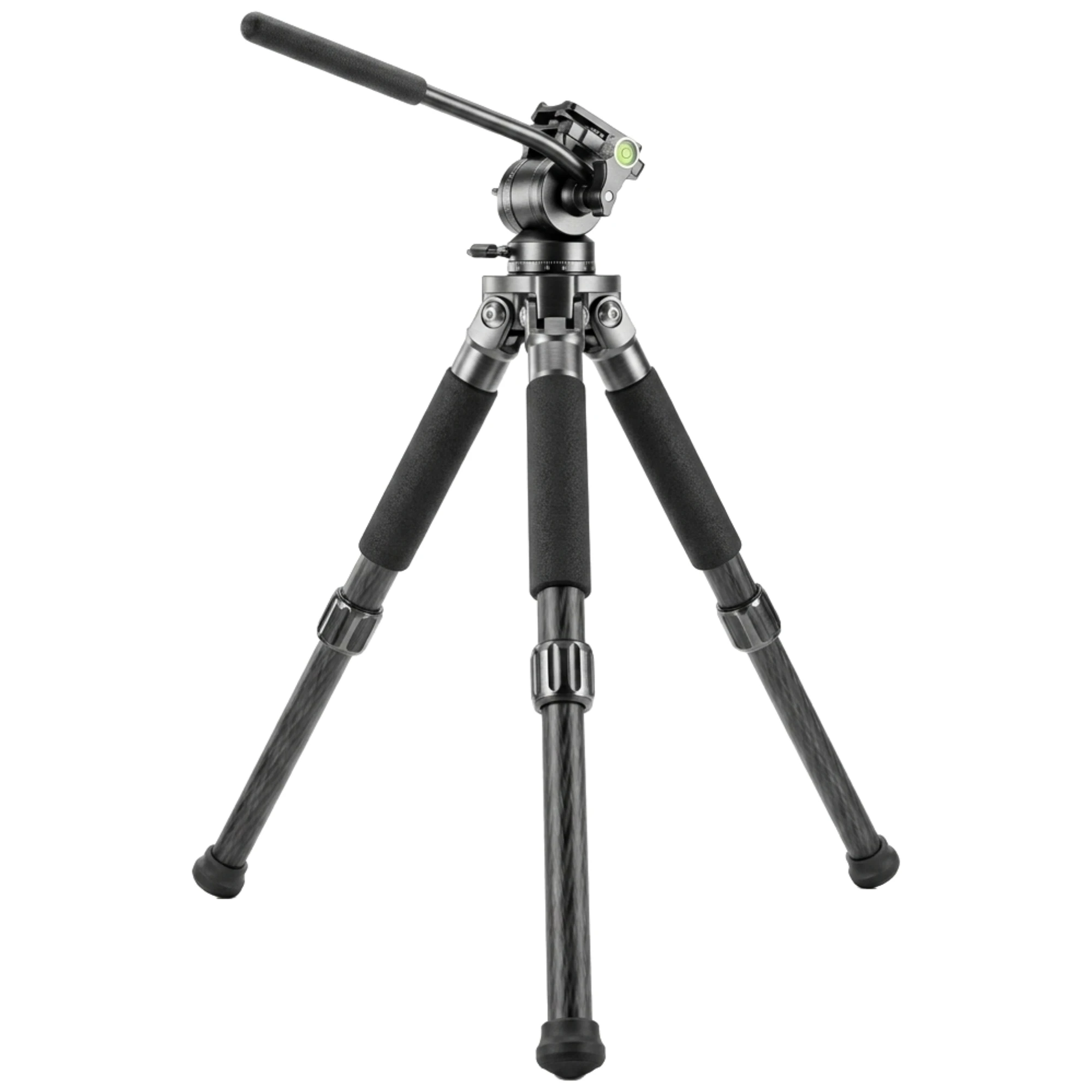
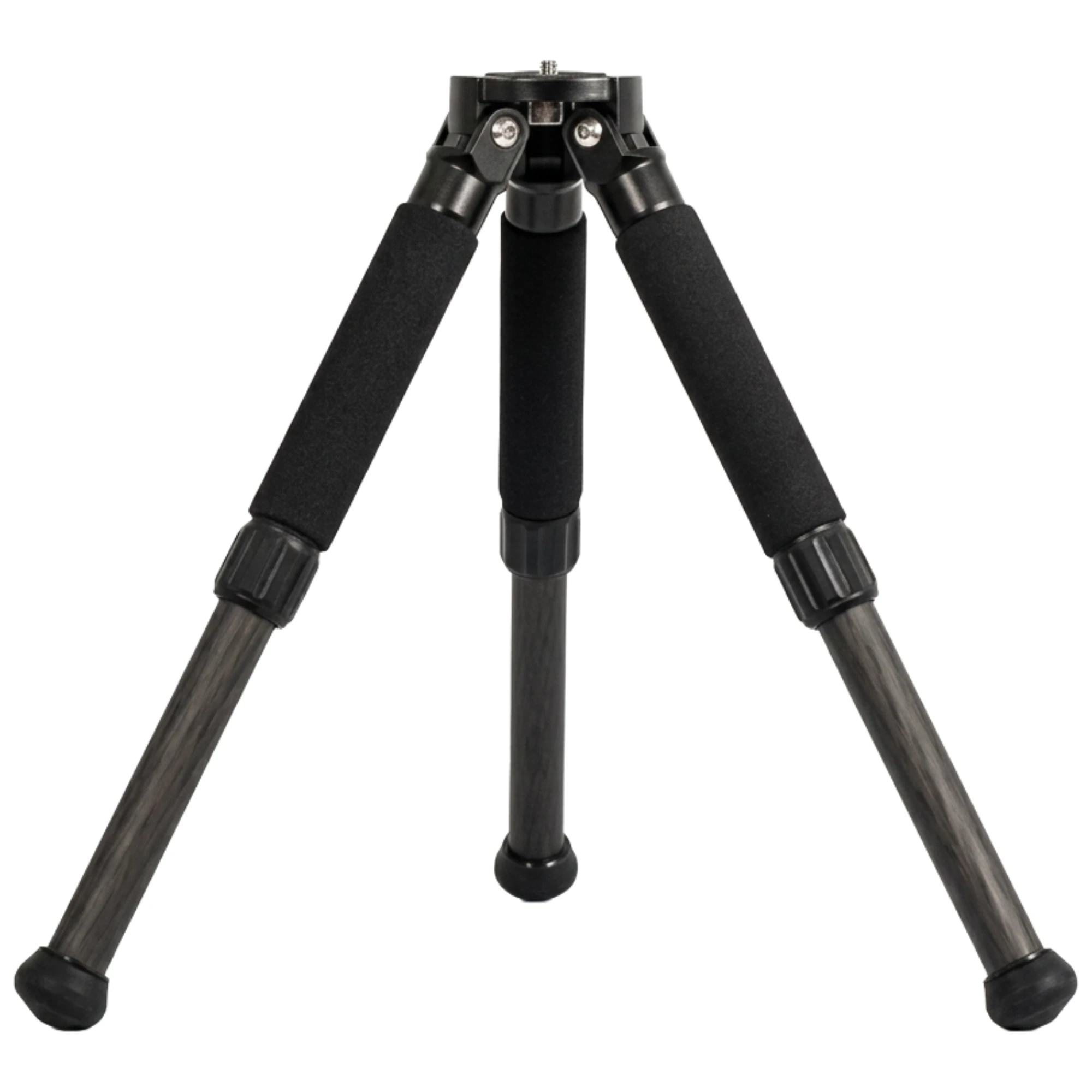
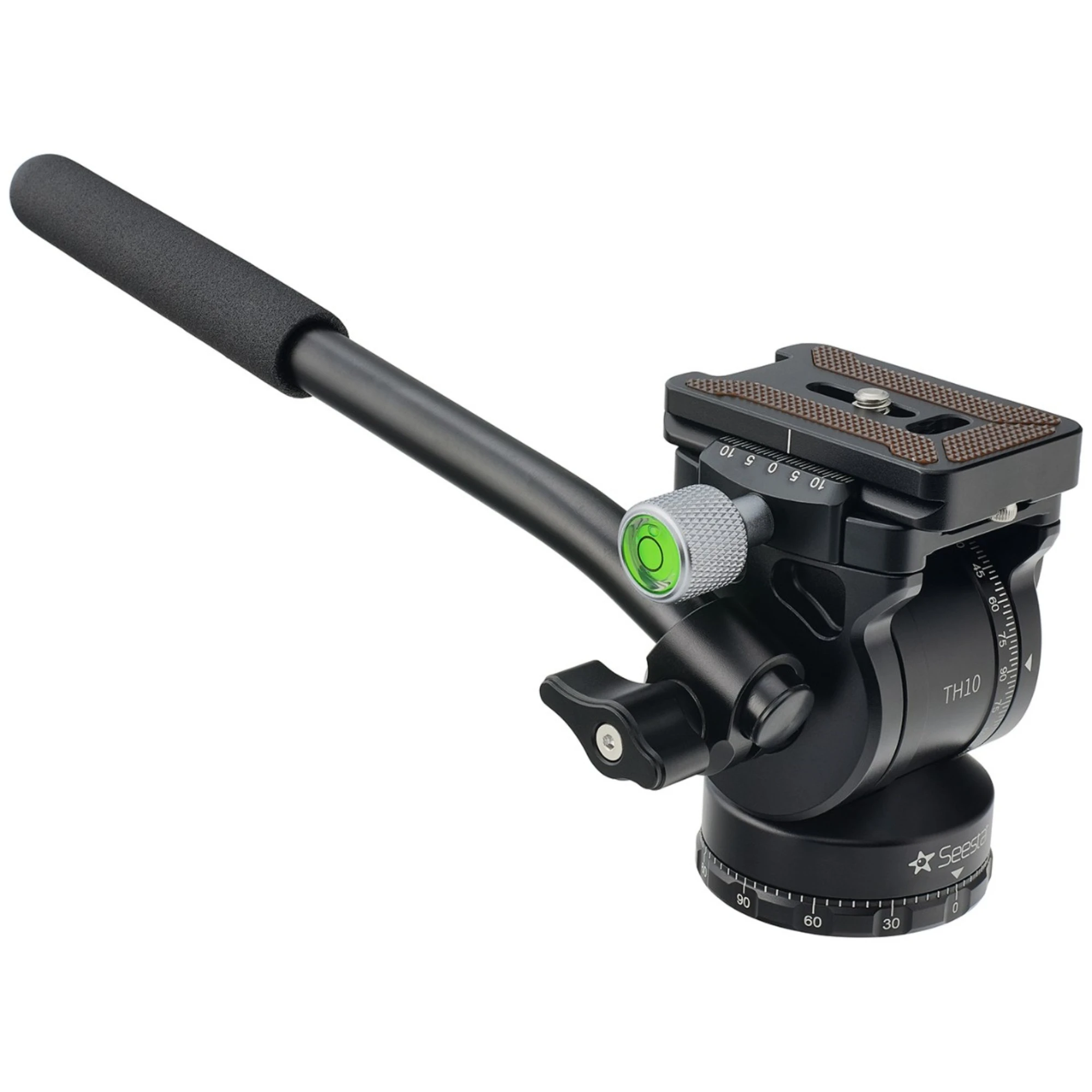

Considerations
At the time of writing, stock is due late October, so it's not an instant-gratification buy. It's also considerably bigger and heavier than the S30 Pro, 2.8kg versus 1.65kg, so if portability is the priority, the smaller scope still makes sense. The bigger lens comes with a narrower field of view too, so very wide targets like the Milky Way may need a few extra mosaic panels stitched together to fit the whole scene, worth knowing if wide-field shots are your main interest. At $650 more than the Seestar S30 Pro, the extra cost only pays off if you'll actually use the bigger aperture or the extra battery life. If you're mostly shooting brighter, easier targets, or want the lightest possible setup, the S30 Pro covers the same core feature set, GoTo tracking, live stacking, app control, for less.